In Nepal, where heavy monsoon rain can quickly expose weak roofs, terraces, bathrooms, and walls, a single hidden leak can quietly undo years of investment in your property. From roof leaks and bathroom seepage to damp walls, these problems damage your building, reduce its value, and keep recurring if they are not fixed at the source.
The key thing to understand is this: waterproofing is not just one chemical you apply to a surface. It is a complete system that depends on the surface, the source of the leak, the level of water exposure, and the application method. This guide explains how waterproofing in construction actually works and how to choose the right home waterproofing approach for every part of your property.
Why Choosing the Right Waterproofing System Matters
A good waterproofing system does far more than stop a single leak. It protects the whole structure and saves you money over the long term.
The right choice helps you:
- Prevent repeated leakage instead of patching the same spot again and again.
- Protect concrete and plaster from slowly breaking down due to water.
- Reduce dampness and moisture damage that leads to mold, peeling paint, and unhealthy living conditions.
- Avoid expensive repair work caused by ignoring small problems.
- Improve durability so the building lasts longer and stays safe.
This matters most during Nepal’s monsoon season, when heavy rain tests every roof, wall, and joint. A weak or wrong solution often fails exactly when you need it most.
It is also important to remember that different areas need different methods. A roof, a bathroom, a basement, and a water tank each face different types of water exposure, so the same product rarely works everywhere. This is why good building waterproofing focuses on matching the method to the area, which is the heart of quality residential waterproofing services.
What Is a Waterproofing System?
A waterproofing system is a complete process, not a single product. Many people believe one good chemical will solve everything, but that is rarely true.
A proper system usually includes several steps:
- Site inspection to understand the problem.
- Leakage source identification so the real cause is fixed, not just the symptom.
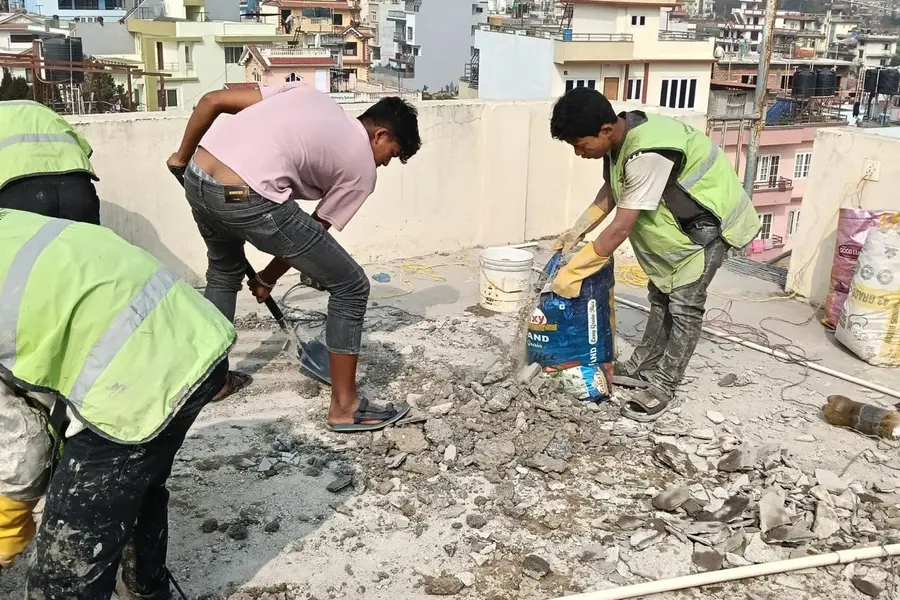
- Surface cleaning to remove dust, dirt, and loose material.
- Crack repair to seal weak points.
- Primer or base coat application to help the main layer bond well.
- Membrane or coating application is the main protective layer.
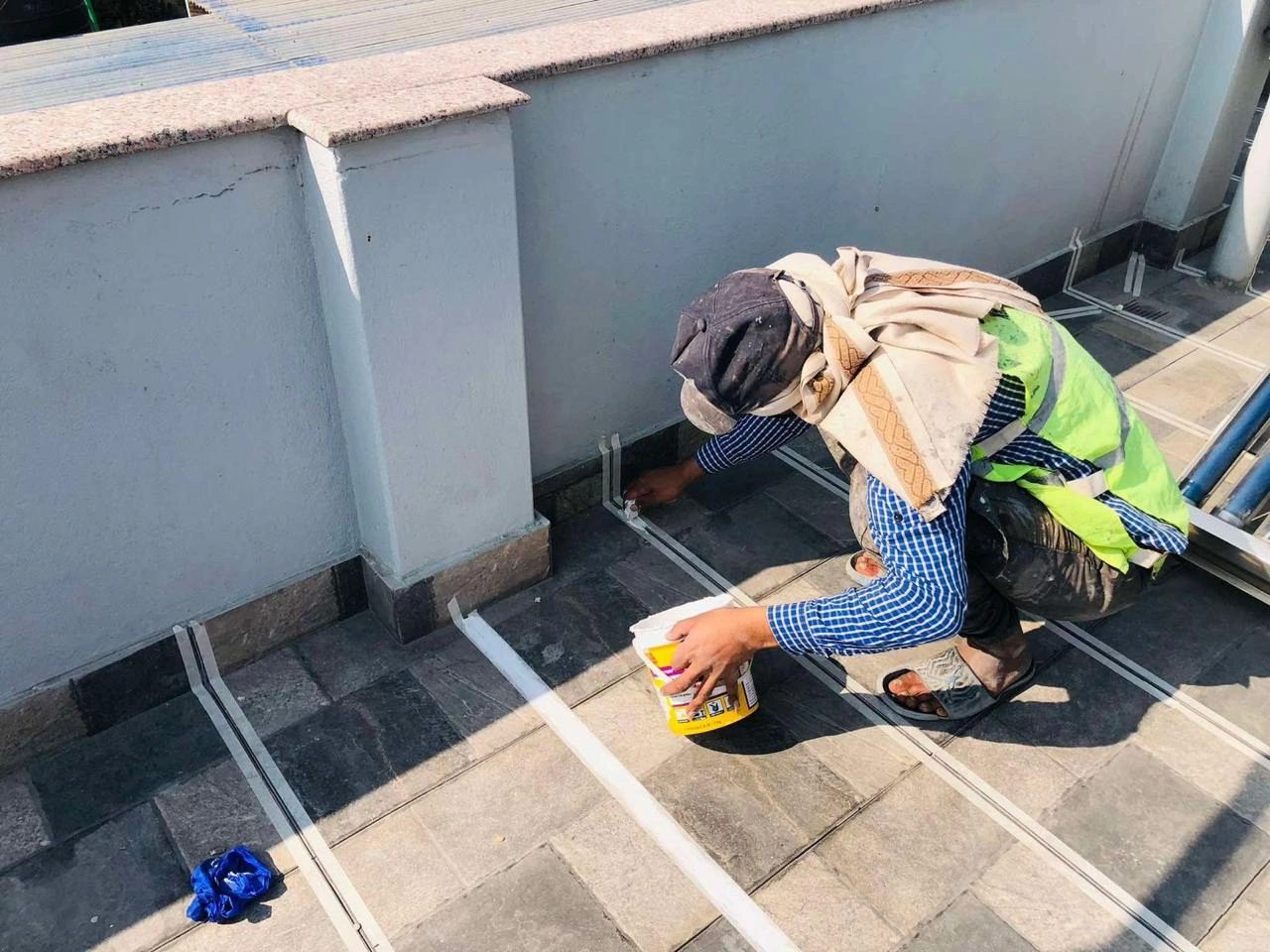
- Joint and corner treatment, since these are the most common leak points.
- A protective layer to guard the work from damage and sunlight.
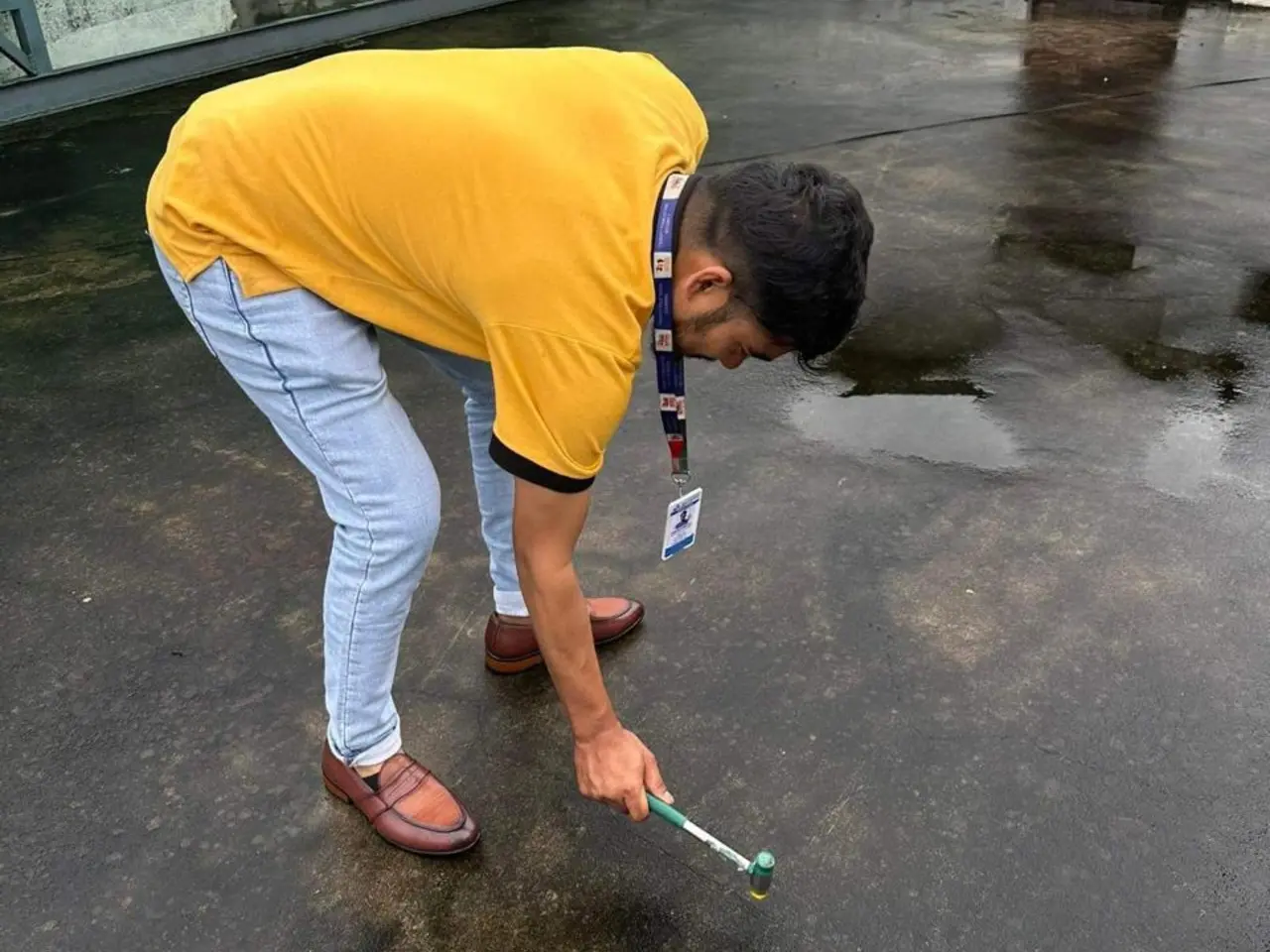
- Water testing or a ponding test to confirm the job actually works.
Within this process, the right waterproofing membrane, waterproofing chemicals, and other materials are chosen for the specific surface and condition. The whole thing is only as strong as its weakest step. Without proper inspection, even high-quality waterproofing chemicals may fail because the real leakage source remains untreated.
At 24 Seven Group, waterproofing is approached as a complete system, from inspection and surface preparation to chemical selection and professional application.
Choose the Right Waterproofing System Based on the Area
The right approach depends entirely on where the leak or moisture problem is happening. Let’s look at the most common areas and what each one needs.
Roof and Terrace Waterproofing
Roofs and terraces take the most punishment. They are directly exposed to rain, sunlight, temperature changes, cracks, and standing water.
Common problems include:
- Flat RCC roofs that hold water instead of draining it.
- Terrace leakage that travels down into the rooms below.
- Concrete roof cracks that open up over time.
- Poor slope that causes water to pool in one place.
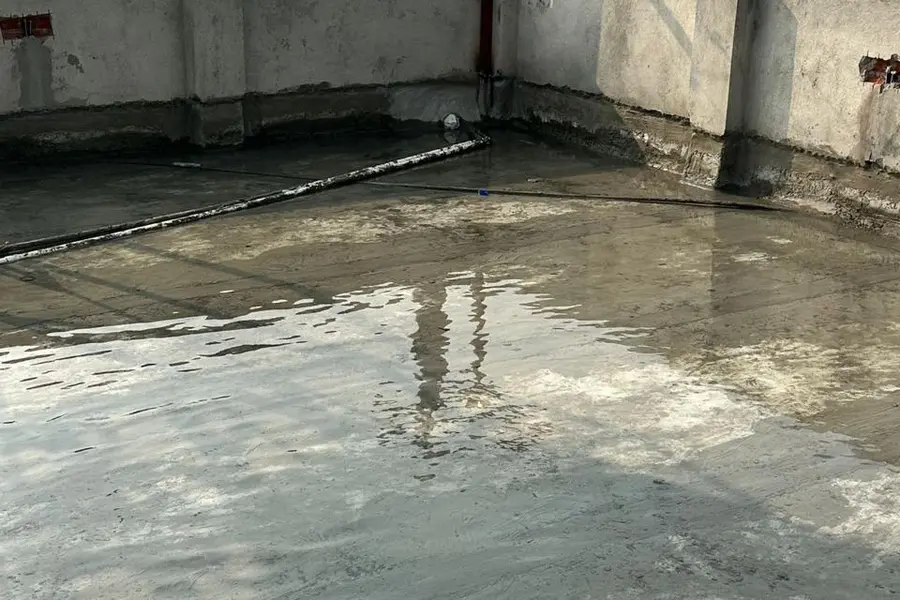
- Water ponding during the monsoon that sits for days.
- UV exposure slowly damages coatings and concrete.
Because roofs expand and move with heat, they usually need flexible solutions. Options like liquid coatings, a waterproof membrane for the roof, PU coating, or a complete concrete roof waterproofing system work well here. For flat roofs and terraces, flexibility and UV resistance are key. A proper plan also corrects the slope so water can drain away, stopping the problem at its source instead of just hiding it.
Bathroom Waterproofing
Bathrooms are wet every single day, so leaks here are very common. The most important rule is simple: bathroom waterproofing should usually be done before tiling. Fixing it afterward is much harder and more expensive.
Watch out for these weak points:
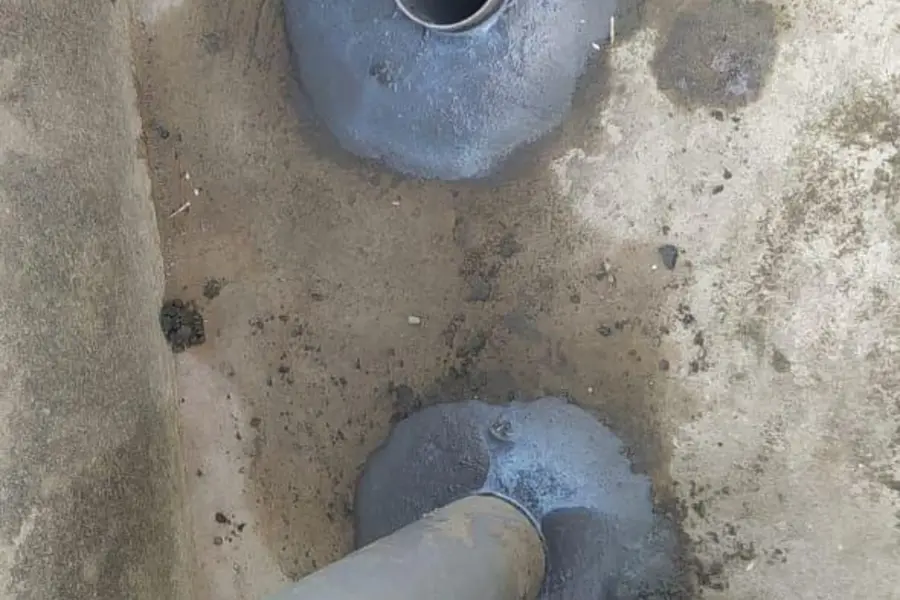
- Floor-wall joints, where two surfaces meet.
- Pipe joints, a frequent source of hidden leaks.
- Drainage areas around floor traps.
- Shower areas that get constant water.
- Tile gaps where grout fails over time.
- Leakage to the lower floor, which often appears as a stain on the ceiling below.
Depending on the condition, a bathroom may need a bathroom waterproofing membrane, a tile waterproofing membrane, a waterproof floor coating, or waterproof paint. A good solution seals the floor, the joints, and the lower wall sections so water cannot escape.
Basement Waterproofing
Basements need stronger protection because they face water from the ground itself. Unlike a roof, where water sits on top, a basement deals with constant pressure pushing water inward.
Typical issues include:
- Wall dampness that never fully dries.
- Underground moisture rising from the soil.
- Foundation leakage at the base of walls.
- Outside water pressure during the rainy season.
- Long-term structural risk if moisture is ignored.
For these conditions, basement waterproofing may require cementitious coatings, a foundation waterproofing membrane, or strong concrete waterproofing coatings. There are several types to choose from, and the best one depends on the water pressure and wall condition. Professional solutions often combine more than one method, since protecting the foundation correctly is essential over time.
Water Tank Waterproofing
Water tanks are a special case because they are in constant contact with water. They also often store drinking water, so the solution must be safe as well as durable.
Common problems include:
- Internal tank leakage wastes water and weakens the structure.
- Underground tank seepage that lets soil moisture in or clean water out.
- Cracks in concrete tanks that grow over time.
- The need for a safe, durable finish that does not contaminate the water.
Suitable choices include cementitious systems, specialized water tank waterproofing products, and chemicals designed for concrete surfaces. For both rooftop and underground tanks, a non-toxic, crack-bridging option is the safest.
External Wall and Concrete Surface Waterproofing
External walls quietly absorb a lot of rainwater. Over time, this leads to damp patches inside the house, even when the roof is fine.
Look out for:
- Damp walls with patches or discoloration.
- Cracked plaster that lets water seep in.
- Rainwater penetration through porous surfaces.
- Concrete surface moisture that weakens the structure.
- Wall seepage that returns every monsoon.
Solutions here include waterproof plaster, a waterproofing chemical for wall plastering, and concrete waterproofing coatings. Treating external surfaces is an important part of complete building protection, because drywall keeps the whole structure healthier.
Note: Prices are estimates and vary based on surface condition and the brand of waterproof chemical for roof used.
Why Surface Preparation Matters in Waterproofing
Even the best product will fail if the surface is not prepared properly. This is one of the most overlooked steps of all.
Before deciding, the surface should be checked for:
- Cracks that need sealing.
- Dust and dirt prevent proper bonding.
- Weak plaster that may peel away later.
- The damaged concrete needs repair first.
- Old coatings that must be removed or treated.
- Water ponding points to a slope problem.
- Poor roof slope that traps water.
- A damp surface that stops coatings from sticking.
- Pipe leakage that must be fixed at the source.
- Tile joint gaps where water can enter.
Experienced waterproofing contractors always inspect the surface before recommending anything. Reputable waterproofing companies in Kathmandu treat this inspection as the foundation of the entire job, because a strong surface is what makes the work last.
Common Types of Waterproofing Systems Used in Nepal
Different jobs call for different methods. Here are the most common types and where they work best.
Cementitious Waterproofing
This is a cement-based coating that bonds tightly to concrete. It is rigid and very durable, making it ideal for bathrooms, water tanks, internal wet areas, and concrete surfaces that do not flex much.
Liquid Waterproofing System
A liquid system is applied as a coating that dries into a seamless, flexible layer with no joints. This makes liquid waterproofing products a strong choice for roofs and terraces, because they cover tricky shapes and corners easily.
Waterproofing Membrane
A waterproofing membrane is a strong sheet or layer that forms a physical barrier against water. It works well for roofs, bathrooms, and foundations. A flat-roof version handles large exposed surfaces, while a foundation waterproofing membrane protects below-ground walls from moisture.
Concrete Waterproofing Admixture
A concrete waterproofing admixture is mixed directly into the concrete during construction. Instead of sitting on top, it reduces water absorption from the inside, making the concrete itself more resistant to water.
Waterproofing Chemicals and Compounds
Waterproofing chemicals are selected based on the surface, the type of leak, and the application area. A product for roof use is usually flexible and UV-resistant, while products for internal areas focus on bonding and durability. The right option in Nepal is chosen to match local weather, especially the heavy monsoon.
How Professional Waterproofing Services Implement the System
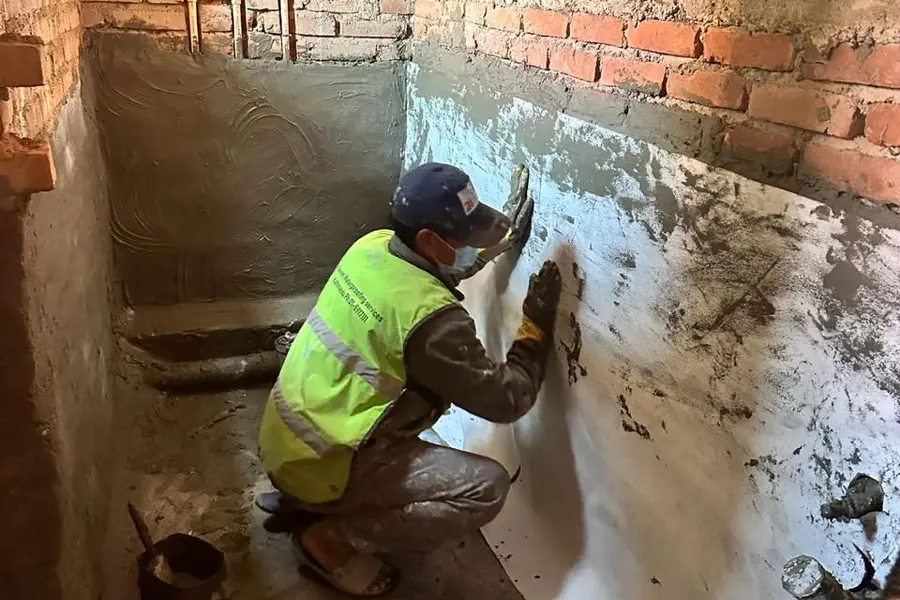
Knowing the steps helps you judge whether a job is being done correctly. Quality waterproofing services usually follow a clear, professional process.
- Site inspection and leakage assessment to understand the full problem.
- Identifying the source of water entry, not just where the stain appears.
- Surface cleaning and preparation to create a strong base.
- Crack filling and joint treatment to seal weak points.
- Primer or base coat application to improve bonding.
- Membrane or coating application is the main protective layer.
- Reinforcement for corners, joints, and pipe areas is the most common failure point.
- Protective layer or finishing work to shield everything.
- Ponding test or water testing to confirm the result is leak-free.
- Maintenance guidance so the protection keeps performing for years.
Trustworthy contractors take each step seriously. Professional waterproofing providers should be able to explain this process clearly, because transparency is a sign of quality work.
If you are not sure which system fits your property, a professional inspection can help identify whether the problem comes from roof slope, cracks, pipe joints, wall seepage, or poor surface preparation.
Common Mistakes to Avoid When Choosing a Waterproofing System
Many failures come from avoidable mistakes. Watch out for these:
- Choosing only the cheapest chemical often fails quickly and costs more in the long run.
- Using the same method everywhere, even though a roof and a bathroom have very different needs.
- Ignoring cracks and joints, the main entry points for water.
- Skipping surface preparation, which weakens even a good product.
- Applying over weak or dirty surfaces, so nothing bonds properly.
- Not fixing the roof slope problems, leaving water to pond and find a way in.
- Not checking pipe leakage, which keeps the real source active.
- Skipping water testing after application, so problems show up too late.
- Thinking that white cement alone is enough is one of the most common myths.
So, is white cement waterproof? On its own, no. It is mainly a finishing material, not a complete solution.
When Should You Call Waterproofing Experts?
Some problems can be handled with simple maintenance, but others clearly need professional help. It is time to call in experts when:
- Roof leakage keeps coming back even after repairs.
- Bathroom seepage affects the lower floor or ceiling below.
- Basement walls stay damp no matter the season.
- Your terrace has water ponding that will not drain.
- Your water tank leaks or seeps.
- External walls absorb rainwater and show damp patches.
- New construction needs planning from the start, which is always cheaper than fixing leaks later.
If you need reliable support, 24 Seven Group provides waterproofing services, construction chemicals, and professional application support for residential and commercial needs across Nepal. As experienced contractors and construction chemical suppliers in Nepal, the right partner helps you diagnose the real problem and apply the correct solution the first time.
Have a question?
It depends on the roof's condition, including cracks, slope, and water ponding. For most concrete roofs, flexible options work best, such as liquid coatings, PU coating, or a waterproof membrane for the roof. Effective roof leakage repair also corrects the slope so water can drain properly.
Good bathroom waterproofing starts before tiling. A bathroom waterproofing membrane or a waterproof coating applied beneath the tiles is ideal. Pay special attention to pipe joints, corners, and drainage areas, since these are the most common leak points.
Both are useful, just in different ways. A membrane gives a strong physical barrier and suits large or below-ground surfaces. Liquid waterproofing products give seamless, joint-free coverage and adapt easily to complex shapes. The better choice depends on the area and exposure.
Flexible, durable, area-specific systems work best. Roofs and terraces benefit from flexible coatings or membranes, walls need crack repair with waterproof coatings, and bathrooms and basements need proper membranes or coatings. The key is matching the method to each area.
A great deal. Surface preparation is one of the most important parts of the whole job. If the surface is cracked, dirty, weak, or damp, even the best product can fail. Proper cleaning, crack repair, and priming are essential for long-lasting results.
White cement alone is not a complete solution. It may help with finishing and appearance, but it does not stop water on its own. For long-term protection, you need proper chemicals, membranes, coatings, or admixtures designed for the job.
There is no single best chemical for every situation. The right choice depends on the area and the type of leak. Roofs often need flexible coatings or membranes, bathrooms usually need a cementitious coating or membrane, and concrete work may need an admixture.
A waterproofing system for a concrete roof should be flexible, UV-resistant, and able to handle water ponding. Liquid coatings, PU coatings, and membrane systems are commonly used because they can move with the roof surface and withstand direct sunlight.
Choose based on the area. Roofs and terraces need flexible systems, bathrooms need a proper membrane or coating before tiling, and external walls need crack repair combined with waterproof coatings. Matching the product to the exposure is what keeps your property dry through the rainy season.
Conclusion
Choosing the right waterproofing system depends on the area, surface condition, leakage source, and level of water exposure. A roof, bathroom, basement, water tank, and external wall each need a different approach, so applying one chemical everywhere is rarely enough.
For long-lasting protection, proper inspection, surface preparation, material selection, and professional application are essential. If you are unsure which waterproofing system is right for your property, 24 Seven Group can help with expert waterproofing services, construction chemicals, and application support across Nepal.